
Felix Wankel
German engineer who invented the rotary Wankel engine.

4028mdk09 · CC BY-SA 3.0
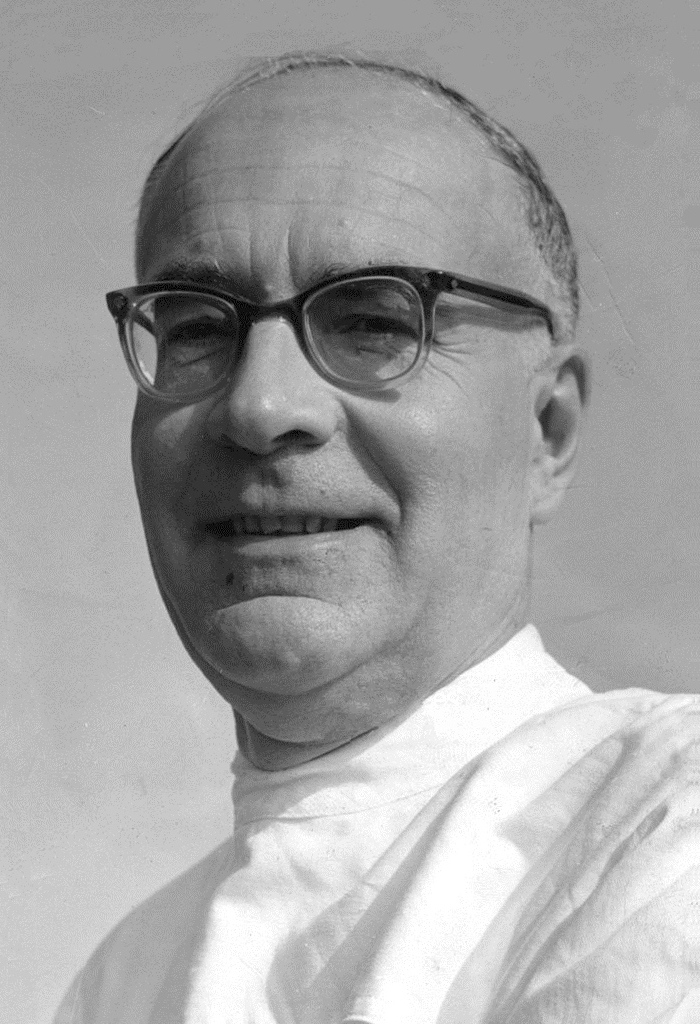
Felix Heinrich Wankel was a German mechanical engineer and inventor, best known for developing the Wankel engine, a type of rotary internal combustion engine. He was a prominent member of the Nazi Party and held various radical antisemitic views, though his later career was defined by his engineering innovations.
- born
- 13 August 1902
- died
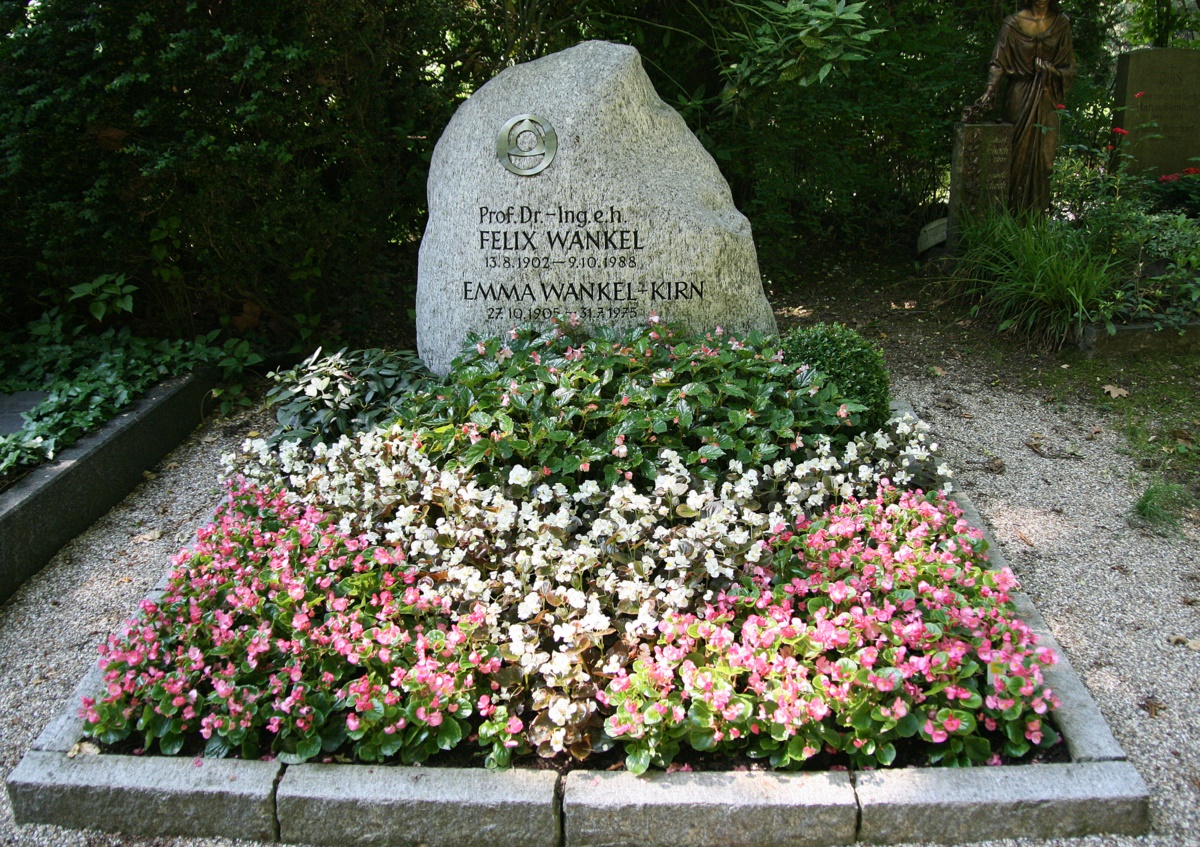
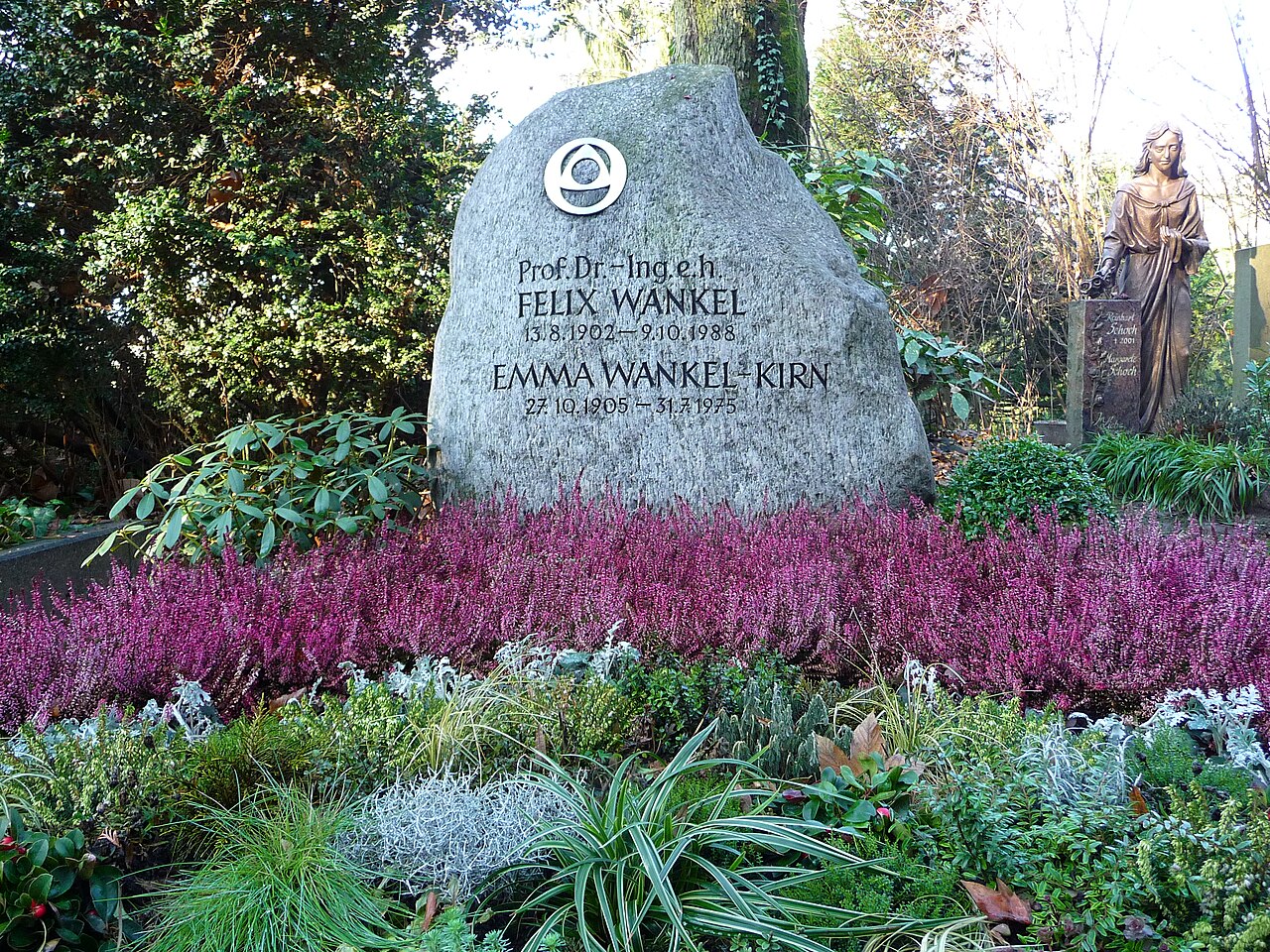
- 9 October 1988
- field
- Mechanical engineering
- nationality
- German
- known_for
- Wankel engine
Lore & Background
Wankel was born in Lahr, Grand Duchy of Baden, and lost his father in World War I. Lacking funds for university, he taught himself technical subjects and conceived the Wankel engine in 1924, winning his first patent in 1929. He joined the Nazi Party in 1921 and led Hitler Youth in the district of Baden, but was expelled after a conflict with the local Gauleiter. Imprisoned in 1933, he was freed through intervention by Hitler's economic adviser. He later joined the SS in 1940 but his membership was revoked in 1941.
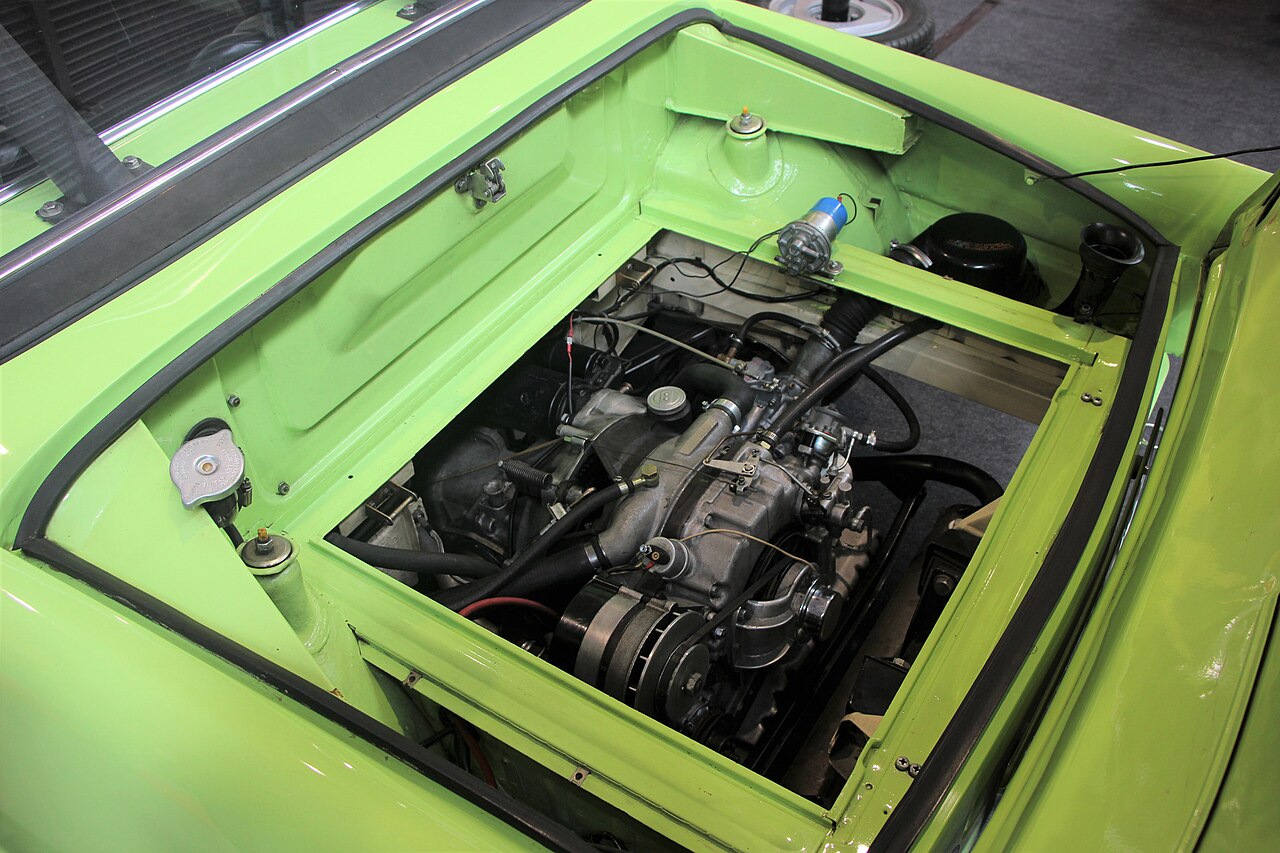
After World War II, French authorities imprisoned him and closed his laboratory. By 1951, he secured funding to establish a technical development center. The first running prototype of his engine was built at NSU Motorenwerke AG in 1957. The engine was licensed by Mazda, which used it in the RX-7 and RX-8, and by other manufacturers including Daimler-Benz and General Motors. Wankel sold his licensing royalties in 1971 for 50 million Deutschmarks and later sold his institute to Daimler-Benz for 100 million Deutschmarks.
Reader's Guide
Felix Wankel's significance lies in his invention of the Wankel engine, a compact and smooth-running rotary engine that offered an alternative to traditional piston engines. Though it saw limited commercial success, it was notably adopted by Mazda in several sports cars, creating a niche legacy. Wankel's personal history is complex: he was an early and active Nazi, yet his engineering achievements transcended his political affiliations. His engine design was licensed globally, generating substantial wealth, and he received an honorary doctorate from the Technical University of Munich. The Wankel engine remains a symbol of innovative engineering, despite its challenges with fuel efficiency and emissions. Wankel's life illustrates the intersection of technical brilliance and controversial political involvement, and his work continues to influence automotive engineering, with Mazda planning to reintroduce the engine as a range extender in 2023.
Did You Know?
- Wankel never had a driving license due to extreme near-sightedness, but owned an NSU Ro 80 with a Wankel engine that was chauffeur-driven.
- He was granted an honorary Doctorate of Engineering from the Technical University of Munich in 1969.
- Wankel was a champion of animal rights and opposed the use of animals in testing.
- His engine was first licensed by Curtiss-Wright in the United States.
Gallery

Frequently Asked Questions
Who is Felix Wankel?
Felix Heinrich Wankel was a German mechanical engineer born on 13 August 1902 and died on 9 October 1988. He is most widely recognized for creating the rotary internal combustion engine that bears his name.
What exactly did Felix Wankel invent?
He developed the Wankel engine, a rotary design that replaces the traditional up-and-down piston motion with a spinning triangular rotor inside an oval-shaped housing. This allowed for a more compact power unit compared to conventional engines of his era.
Why is the Wankel engine still talked about today?
Its compact, high-revving design made it popular in sports cars, most famously in Mazda's RX series, and it remains a fascinating alternative to the standard four-stroke layout. Enthusiasts and engineers continue to study its geometry and efficiency trade-offs decades after Wankel's death.
What was Felix Wankel's nationality and professional field?
He was German by nationality and worked in the field of mechanical engineering throughout his career. His professional identity is inseparable from the rotary engine concept he brought to life.
How does Felix Wankel's story end?
Wankel passed away on 9 October 1988, leaving behind an engine design that had already been commercialized by several automakers. His legacy persists in engineering textbooks and in the handful of rotary-powered vehicles still produced or restored by fans today.
More in Inventors Of Everyday Objects 1-24
Spotted an error? Know more?
This is a living reference — every entry is fact-audited, and reader corrections feed straight into our audit queue. Suggest an edit · See this site's audit record