
Charles F. Kettering
American inventor and engineer with 186 patents.

Daderot · CC0
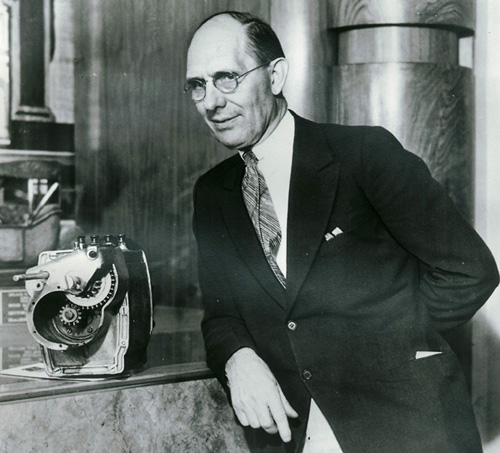
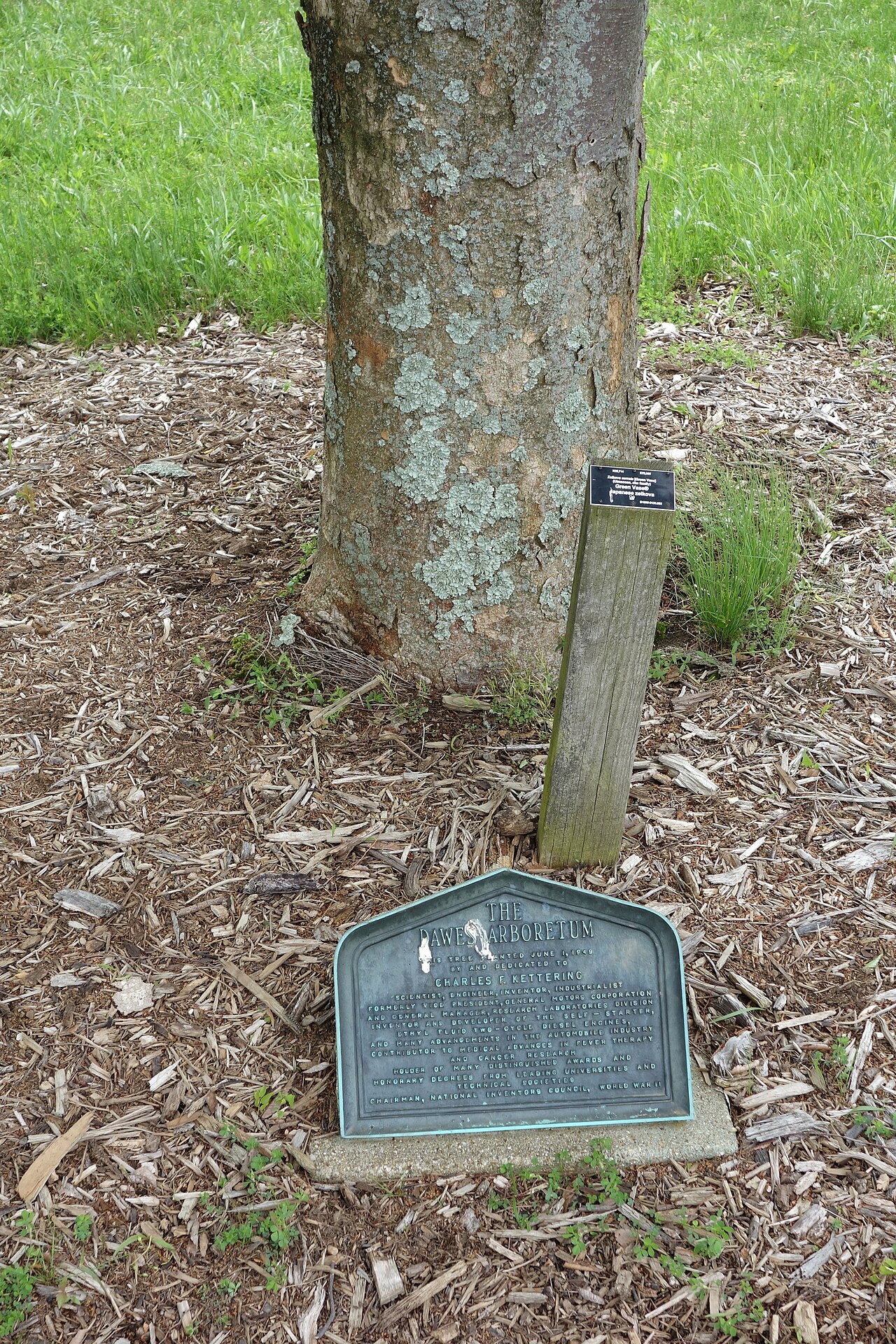
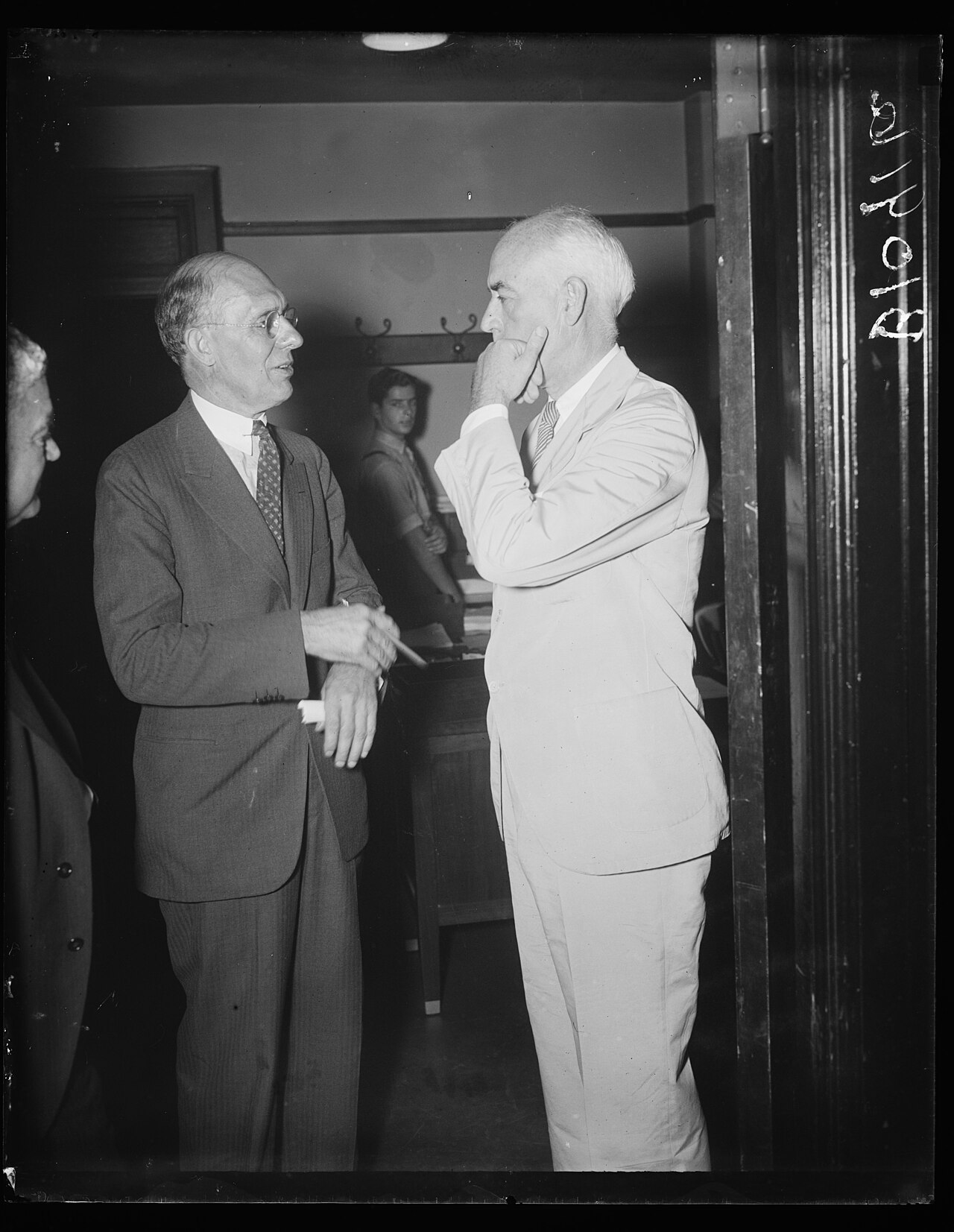
Charles Franklin Kettering (August 29, 1876 – November 25, 1958), racked up 186 patents over a career as an inventor, engineer, and businessman. He co-founded Delco and ran research at General Motors from 1920 to 1947. Among his best-known contributions to cars are the electric starter and leaded gasoline. At DuPont, he promoted and facilitated Duco lacquers, the first colored paints practical for mass-produced cars, though he was not their direct inventor. Working with the Dayton-Wright Company, he developed the "Bug" aerial torpedo, recognized as the first aerial missile. He also pushed forward lightweight two-stroke diesel engines, which transformed locomotives and heavy equipment. In 1927, he established the Kettering Foundation, and *Time* magazine put him on its cover in January 1933.
Born in Loudonville, Ohio, Kettering was the fourth of five children of Jacob Henry and Martha Hunter Kettering. Poor eyesight gave him headaches at school. After graduating, he followed his sister Emma into teaching at Bunker Hill School, where he was known as an engaging, innovative instructor who drew students to evening science demonstrations on electricity, heat, magnetism, and gravity. He took classes at the College of Wooster before transferring to Ohio State University, joining the Delta Upsilon fraternity. Eye problems forced him to drop out, and he worked as a telephone line crew foreman. Initially depressed by leaving school, he revived by applying his mechanical engineering skills on the job and met his future wife, Olive Williams. When his eyes improved, he returned to Ohio State, graduating in 1904 with a degree in mechanical engineering.
Right out of school, Kettering was hired to head the research lab at National Cash Register (later NCR). There he invented an easy credit approval system—a forerunner of credit cards—and motorized the electric cash register in 1906, making sales ringing easier for clerks. He stood out as a practical inventor, once saying, "I didn't hang around much with other inventors and the executive fellows. I lived with the sales gang. They had some real notion of what people wanted." During his five years at NCR (1904–1909), he secured 23 patents. He credited his success partly to luck but added, "I notice the harder I work, the luckier I get."
In 1907, NCR colleague Edward A. Deeds persuaded Kettering to work on car improvements.
- known_for
- Electrical starting motor, leaded gasoline, Delco, Duco lacquers (promoter/facilitator), 'Bug' aerial torpedo, two-stroke diesel engines
Lore & Background
Charles Kettering was born in Loudonville, Ohio, the fourth of five children. Poor eyesight caused headaches in school, but after graduation he taught at Bunker Hill School, where he attracted students to evening scientific demonstrations. He studied at the College of Wooster and Ohio State University, where he was a member of Delta Upsilon fraternity. Eye problems forced him to withdraw, leading to depression, but he took a job as foreman of a telephone line crew and applied his mechanical engineering skills. When his eye condition improved, he returned to Ohio State and graduated in 1904 with a mechanical engineering degree.
Kettering was hired directly out of school to head the research laboratory at National Cash Register (NCR). There he invented an easy credit approval system and motorized the electric cash register.
Reader's Guide
Charles Kettering's significance lies in his transformative contributions to the automotive and industrial sectors. As a founder of Delco and head of research at General Motors, he pioneered the electrical starting motor, which replaced the dangerous hand crank and made automobiles more accessible. His work on leaded gasoline, developed with Thomas Midgley Jr., allowed higher-compression engines but later proved to be an ecological disaster due to global lead contamination. Kettering also advanced Duco lacquers and enamels, enabling the first practical colored paints for mass-produced cars, and developed the 'Bug' aerial torpedo, the world's first aerial missile. His leadership in lightweight two-stroke diesel engines revolutionized the locomotive and heavy equipment industries. Beyond his inventions, Kettering founded the Kettering Foundation in 1927 and was featured on the cover of Time magazine in January 1933. His legacy includes a focus on practical innovation, as reflected in his quote, 'I notice the harder I work, the luckier I get.' However, his promotion of tetraethyllead as a fuel additive, despite hiring a medical expert to proclaim its safety, has been criticized for its long-term environmental harm.
Did You Know?
- Kettering held 186 patents and was a founder of Delco.
- He developed the 'Bug' aerial torpedo, considered the world's first aerial missile.
- Kettering's house, Ridgeleigh Terrace, was reportedly the first in the United States to have electric air conditioning using freon.
- He was featured on the cover of Time magazine in January 1933.
Gallery

Frequently Asked Questions
Who is Charles F. Kettering?
Charles Franklin Kettering (1876–1958) was an American inventor, engineer, and businessman who amassed 186 patents over his career. He is best remembered for solving practical problems in early automobiles and pioneering work in guided weapons.
What did Charles F. Kettering invent?
His most well-known contributions are the electric starting motor for cars and the development of leaded gasoline. He also co-founded Delco and, with the Dayton-Wright Company, developed the "Bug" aerial torpedo, widely regarded as the first aerial missile.
What was Kettering's role at General Motors?
From 1920 to 1947, Kettering headed up the research division at General Motors, overseeing a broad portfolio of engineering projects. He also co-founded Delco, the electrical-components arm that became a core part of the GM family.
What was the "Bug" aerial torpedo?
Developed in partnership with the Dayton-Wright Company, the "Bug" was a guided projectile designed to be launched from an aircraft. It is generally recognized as the first aerial torpedo and a direct forerunner of modern guided missiles.
Why is Charles F. Kettering important to everyday life?
His electric starter eliminated the dangerous hand-cranking of early cars, making automobiles practical for ordinary drivers. His work on leaded gasoline and his promotion of Duco lacquers also shaped how mass-produced cars were fueled and finished.
More in Inventors Of Everyday Objects 1-24
Spotted an error? Know more?
This is a living reference — every entry is fact-audited, and reader corrections feed straight into our audit queue. Suggest an edit · See this site's audit record